Trump Threatens Iran Oil and Electricity Infrastructure
Threats cause fear of global oil shockConfusion and Mixed Messaging Threaten Oil Markets
President Donald Trump has raised the stakes in the ongoing conflict with Iran, openly threatening to “completely” destroy Kharg Island, the country’s primary oil export hub, along with other critical energy infrastructure if Iran does not agree to a peace deal.
In recent remarks and an interview, Trump suggested that the U.S. could even seize the island outright, stating, “Maybe we take Kharg Island, maybe we don’t. We have a lot of options.” He downplayed Iran’s defenses and claimed such an operation could be carried out easily, despite military analysts warning that holding the island would be difficult and risky.
Kharg Island is central to Iran’s economy, handling most of its oil exports. Any attack or attempted takeover would likely disrupt global energy markets, potentially driving up oil prices and triggering broader instability. Iran could retaliate by targeting shipping in the Strait of Hormuz, a critical chokepoint for global oil supply.
Trump’s comments continue a pattern of mixed messaging, alternating between claims of diplomatic progress and threats of expanded military action. While he has said there are no current plans for a ground invasion, the presence of more than 50,000 U.S. troops in the region leaves open the possibility of escalation.
Our View
This is not just rhetoric. It reflects a willingness to escalate toward direct control or destruction of global energy infrastructure, with consequences that would extend far beyond the region.
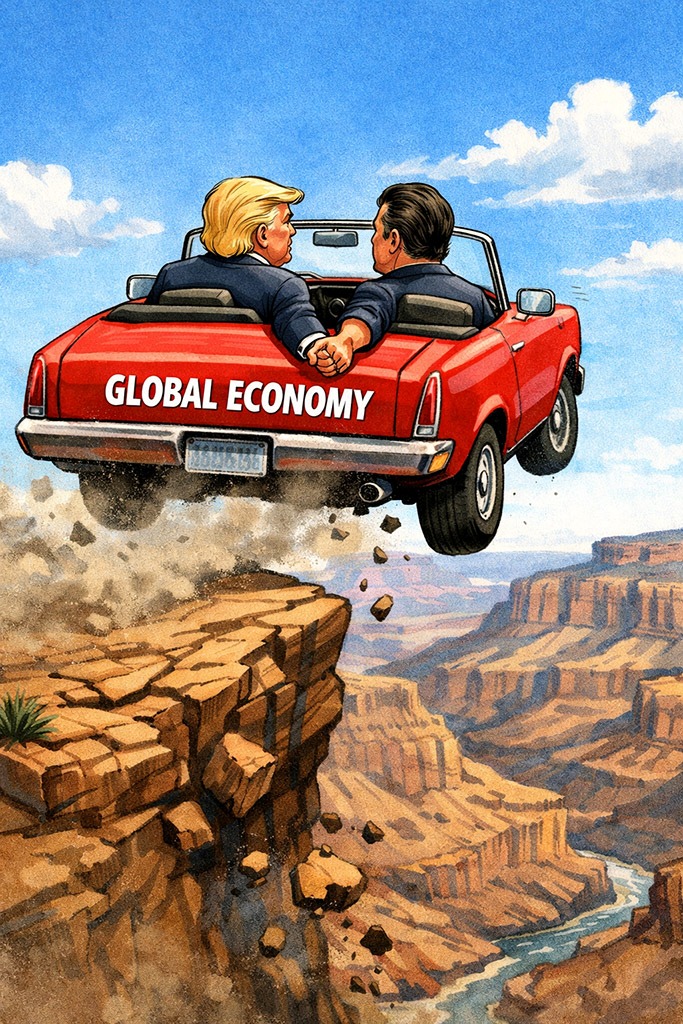
At stake is not only conflict with Iran, but the stability of the global economy, which remains highly sensitive to disruptions in oil supply. Even limited action against Kharg Island could trigger price shocks, retaliatory strikes, and a wider regional crisis. The most concerning signal may be the inconsistency itself, shifting between diplomacy and destruction, leaving allies, markets, and adversaries uncertain about the true direction of U.S. policy.
In moments like this, the question is not just what options exist, but which ones are exercised and at what cost.